
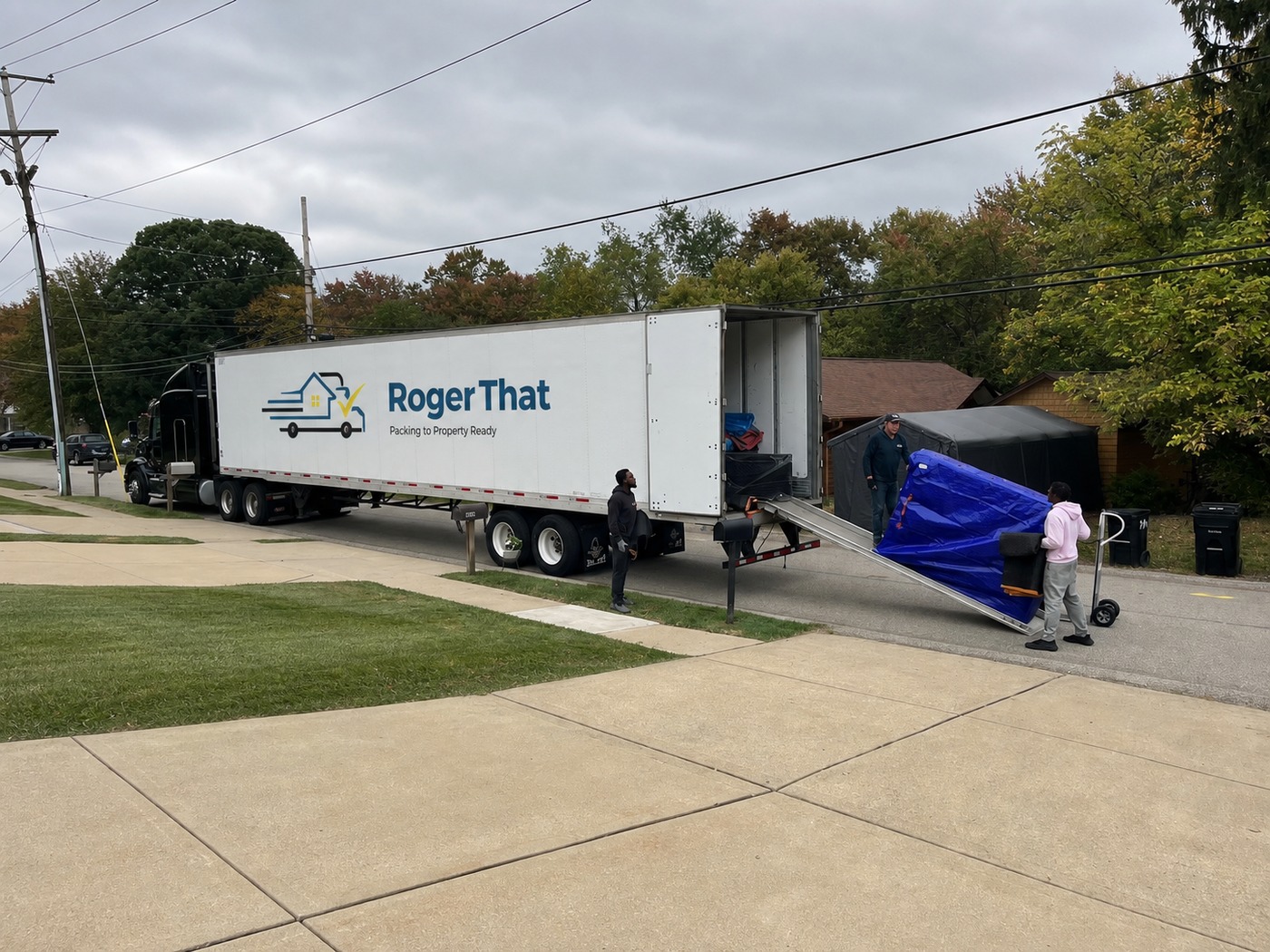
If you have never hired movers before, the first hour of move day can feel oddly slow. The crew arrives and nobody grabs a box. There is a walkthrough, some paperwork, padding going up on door frames. That slow start is deliberate, and it is usually the difference between a smooth day and a scraped wall.
Short answer
Expect the crew to start with a walkthrough and paperwork, then protect the house before loading anything. Furniture gets wrapped, the truck gets loaded in a planned order, and the day ends with a final sweep of the old house and room-by-room placement at the new one. Your job is to be reachable and make decisions, not to carry things.
The walkthrough sets the plan
The crew lead will walk the house with you before anything moves. This is where the crew confirms what is going, what is staying, and what needs special handling. Point out anything fragile, anything already disassembled, and anything that is not going on the truck. If a closet or a shed is staying behind untouched, say so now. The walkthrough is also the moment to mention the loose stair rail or the door that sticks. Small warnings prevent most of a move day's real problems.
Protection goes up before boxes go out
A good crew pads the house before it loads it: runners on the floors, padding on banisters and door frames, blankets and stretch wrap on the furniture. Mattresses go into bags, dressers get wrapped with the drawers in, and glass or stone pieces get extra layers. If it is raining, expect this stage to take longer, not shorter. It looks like it is delaying the move. It is the move.
The truck gets loaded in a specific order
Trucks are loaded to protect the contents and use the space well, which means the order rarely matches what you would guess. Heavy furniture and appliances usually go on first and against the walls, then tiers of boxes, with light and awkward pieces filling the gaps. The last things loaded are the first things off, so anything you want early at the new house, like the toolbox or the vacuum, should be flagged before loading starts rather than shouted up the ramp at the end.
What you should and should not do
The most useful person on move day is a customer who stays nearby and answers questions fast. Decisions come up constantly. Does this shelf go? Which bedroom gets the desk? Which way should the couch face? Being reachable keeps the crew moving.
- Do keep kids and pets somewhere calm, away from the loading path.
- Do keep documents, medications, jewelry, and cash with you, not on the truck.
- Do stay off the ramp and leave the heavy carries to the crew.
- Do not disappear on errands in the middle of loading.
- Do not seal liquids, aerosols, or propane tanks into boxes; ask the crew what cannot ride on the truck.
The final sweep and the unload
Before the truck leaves, walk the empty house with the crew lead. Open every closet, cabinet, and drawer, and check the attic pull-down, the garage rafters, the shed, and the dishwasher. Empty houses hide things in plain sight. At the new house the process runs in reverse: a quick walkthrough so the crew knows which room is which, then placement. Tell the crew where furniture goes the first time. Moving a dresser twice takes twice the effort, and at the end of a long day nobody wants to rearrange.
Move-day morning checklist
- Clear a parking spot for the truck before the crew arrives.
- Finish all packing; open boxes slow the load.
- Stage a keep-with-me pile: documents, medications, valuables, chargers.
- Settle pets in a closed room or a crate away from the action.
- Flag the items that need to come off the truck first.
- Keep your phone charged and the paperwork details handy.
Questions before the day arrives
Most move-day surprises trace back to something nobody mentioned in advance, so ask early. The FAQ page covers the common questions, and local moving explains how Roger That runs the crew day from walkthrough to placement. If the boxes are the part you dread, packing and unpacking takes that work off your plate before the crew ever arrives. Anything else, get in touch before the day, not during it.
FAQ
What happens first when the moving crew arrives?
A walkthrough. The crew lead confirms what is moving, what is staying, and what needs special handling, then the crew protects floors, door frames, and furniture before loading begins.
Should you help the movers carry things?
No. Stay nearby to answer questions and make placement decisions, and leave the lifting to the crew with the equipment for it.
What should you check before the truck leaves?
Walk the empty house with the crew lead and open every closet, cabinet, and appliance. The attic, shed, garage rafters, and dishwasher are the most commonly missed spots.