
The last box loaded and the first box needed are almost never the same box. Somewhere in a packed truck is the toothbrush, the phone charger, and the sheets, and after a long moving day nobody wants to hunt for them. The fix is old and simple: pack the first night separately, before packing anything else, and never let it near the truck.
Short answer
Pack one overnight bag per person plus one shared household box. The bags hold clothes, toiletries, and medications. The box holds bedding, basic kitchen items, chargers, and cleaning supplies. All of it rides in the family car so it is in hand the moment you arrive, even if unloading runs late.
A bag per person beats one big box
One household box for everyone sounds efficient until four people are digging through it at 9 p.m. A better split: each person packs their own overnight bag exactly as they would for a two-night trip. Change of clothes, sleepwear, toiletries, any daily medication, glasses or contacts, phone and charger. Kids can pack their own with light supervision, which also gives them one familiar thing to hold onto during a chaotic day.
Then one shared box covers the household. That split means nobody's toothbrush is hostage to someone else's packing logic.
The items that cannot be replaced by a store run
Most first-night gaps are solvable with a trip to a pharmacy or a takeout order. A few are not, and those belong in the car with a responsible adult regardless of anything else.
- Prescription medications and medical devices, in their original containers.
- Documents: IDs, passports, closing or lease paperwork, checkbooks, insurance cards, and the folder with the movers' and landlord's phone numbers.
- Keys to both properties, plus any garage remotes or access fobs.
- Wallets, jewelry, and small valuables.
- Laptops and anything else that is expensive, fragile, and irreplaceable on short notice.
This is the same do-not-load group the crew should hear about before loading begins, so nobody helpfully packs it.
The household box, room by room
Think through the first twelve hours in the new place. Sleeping means sheets, blankets, and pillows for every bed, packed so beds can be made before exhaustion wins. Washing means a towel per person, soap, shampoo, toilet paper, and a shower curtain if the new bathroom needs one. That last item is forgotten so often it deserves its own line. Eating means paper plates, cups, utensils, paper towels, a sponge and dish soap, coffee supplies, and a few easy breakfast items for the next morning. Add a small toolkit, a flashlight, trash bags, a first-aid kit, and a power strip, because the outlet is never where the chargers need it to be.
Kids and pets have their own list
A child's first night goes better with the specific comfort object, not a substitute, so the stuffed animal and the bedtime book travel in the car. Pack familiar snacks, a couple of small activities for the drive and the waiting, and any school items needed within two days. For pets, bring food and bowls, a leash, a litter box and litter for cats, any pet medication, vet records, and the bed or blanket that smells like the old house. A familiar-smelling object does more to settle a pet in a strange building than anything bought new.
First-night box checklist
- Overnight bag per person: clothes, sleepwear, toiletries, medications, chargers.
- Documents, keys, wallets, and valuables in one adult's care.
- Bedding for every bed, packed together.
- Towels, soap, toilet paper, shower curtain.
- Paper plates, utensils, coffee setup, breakfast for the first morning.
- Flashlight, small toolkit, trash bags, first-aid kit, power strip.
- Kids' comfort items and school needs.
- Pet food, bowls, leash, litter, vet records, familiar bedding.
- Everything staged in the car, marked DO NOT LOAD, before the crew arrives.
Where this fits in the larger move
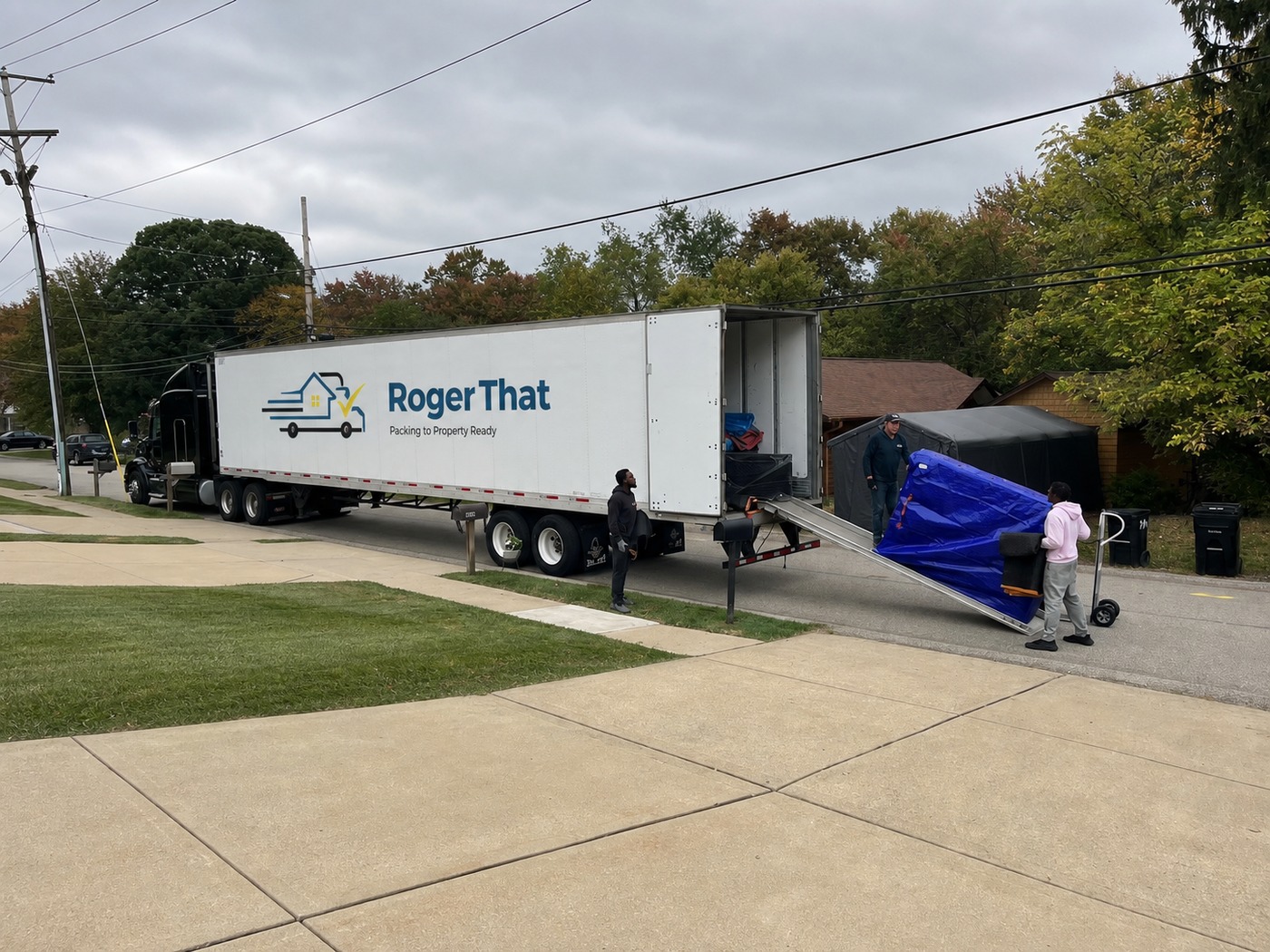
On moves where Roger That handles the packing, the essentials get set aside first and stay off the truck by design. Households packing themselves before a local move should build the first-night kit before the general packing starts, not after, because by the end everything looks essential. For older adults moving into a smaller space, the essentials kit is the backbone of the whole plan, and senior move management treats it that way from day one.
FAQ
What is a first-night essentials box?
It is the small set of things a household needs to eat, sleep, wash, and function the first night in a new home, packed separately and transported in the family car rather than on the moving truck.
Should each person have their own essentials bag?
Yes. A personal bag per person for clothes, toiletries, and medications, plus one shared household box for kitchen and cleaning basics, works better than one giant box for everyone.
Why keep the essentials off the moving truck?
Anything on the truck is buried until unloading is done, and unloading can run late. Essentials in the car are available the moment you arrive, no matter how the day goes.