
Delaware has plenty of moving companies, and from the outside they can look interchangeable: a truck, a crew, a quote. The differences show up in how they build the estimate, how they handle problems, and what happens if something breaks. You can learn most of what you need before booking by asking a handful of direct questions and paying attention to how they get answered.
Short answer
Choose a mover that looks at your home before quoting, puts the estimate in writing, and can explain its licensing and insurance plainly. For moves crossing state lines, the mover must be registered with the FMCSA, and you can verify that registration yourself. Be cautious of large cash deposits and quotes given sight unseen.
Ask questions before you compare quotes
A quote only means something if it is built on real information. Before comparing anything, ask each company the same set of questions. Who performs the move, your own employees or subcontractors? How is the estimate calculated? What does the coverage include if something is damaged, and how is a claim filed? What happens if the date changes? How are stairs, long carries, and heavy items handled? None of these are gotcha questions. A company that does good work answers them every day.
Get the estimate in writing
A verbal ballpark over the phone is a starting point, not an estimate. A real estimate follows a walkthrough, in person or by video, where the mover sees the furniture, the stairs, the access, and the boxes. It should arrive in writing, list what is included, and state what would change the final amount. If packing, donation runs, or clean-out work are part of the job, those belong in the written scope too. The document protects both sides: you know what you agreed to, and the mover knows what job it quoted.
Licensing and insurance basics
For moves within Delaware, ask the company directly about its insurance and how claims are handled, and expect a clear answer. For moves that cross state lines, the rules are federal. Interstate movers must be registered with the Federal Motor Carrier Safety Administration and carry a USDOT number. The FMCSA's Protect Your Move site lets you look up a mover's registration and explains your rights on an interstate move, including the paperwork the mover is required to give you. A legitimate interstate mover provides its USDOT number without hesitation, and checking it takes about a minute.
Red flags worth slowing down for
Most moving companies are honest. The problem cases tend to share the same warning signs, so if several show up at once, keep looking.
- A demand for a large cash deposit before move day. Reasonable movers do not need most of the money up front.
- A quote with no walkthrough, no video survey, and no questions about your home.
- No written estimate, or paperwork that leaves the final amount open-ended.
- No physical address, or a truck and paperwork carrying different company names.
- Pressure to sign today because the quote only holds right now.
None of these alone proves anything is wrong. Together they form the pattern the FMCSA warns consumers about on interstate moves, and the same caution applies close to home.
Reviews help here too, if you read them the right way. A long streak of perfect ratings says less than how a company responds when a job went sideways. Look for reviews that mention your kind of move, whether that is a walk-up apartment, a full house with packing, or a senior transition, and notice whether the company answers complaints with specifics or with boilerplate.
Questions to ask before you book
- Who performs the work: employees or subcontractors?
- Is the estimate based on a walkthrough or a video survey?
- What does the written estimate include, and what could change it?
- What coverage applies if something is damaged, and how are claims filed?
- For interstate moves: what is your USDOT number?
- How are date changes and cancellations handled?
What this looks like in practice
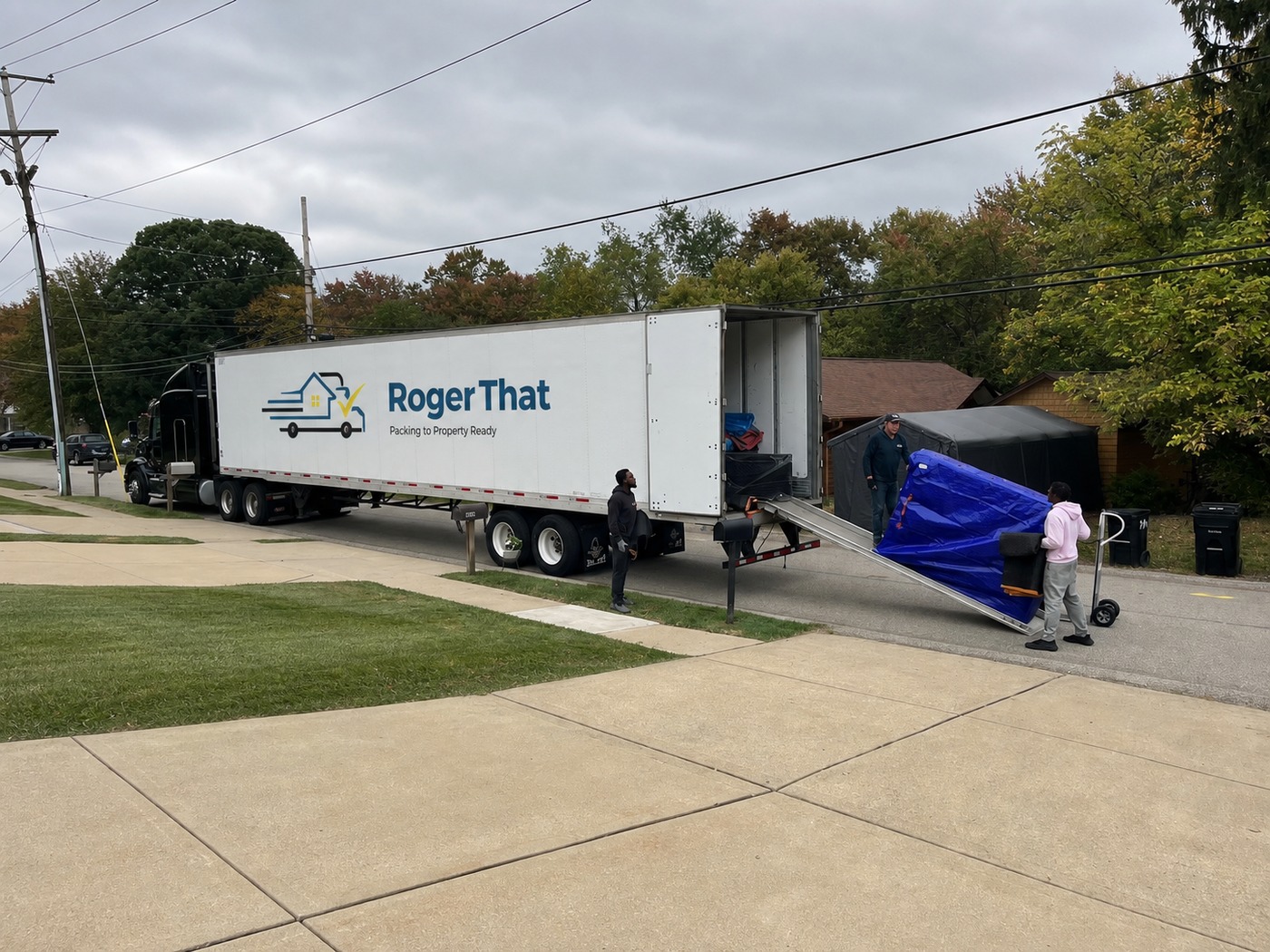
Roger That handles local moves across Delaware and coordinates long-distance moves, and the process starts the way this article recommends: a real look at the home, a written scope, and direct answers to the questions above. Request a free estimate to see the process firsthand, or read the customer reviews before you decide. For moves that leave the state, long-distance moving coordination explains how the interstate side gets managed.
FAQ
Do Delaware movers need federal registration?
Movers crossing state lines must be registered with the FMCSA and carry a USDOT number, which you can verify on the agency's Protect Your Move site. Moves that stay inside Delaware are not covered by that federal registration, so ask in-state movers directly about insurance and coverage.
What should a written moving estimate include?
The services covered, the date, what the quoted amount includes, and what circumstances would change it. It should follow a walkthrough or video survey of the home rather than a guess over the phone.
Is a deposit a red flag when hiring movers?
A modest deposit to hold a date is common. The warning sign is a demand for a large cash payment before the move, especially combined with no walkthrough and no written paperwork.