
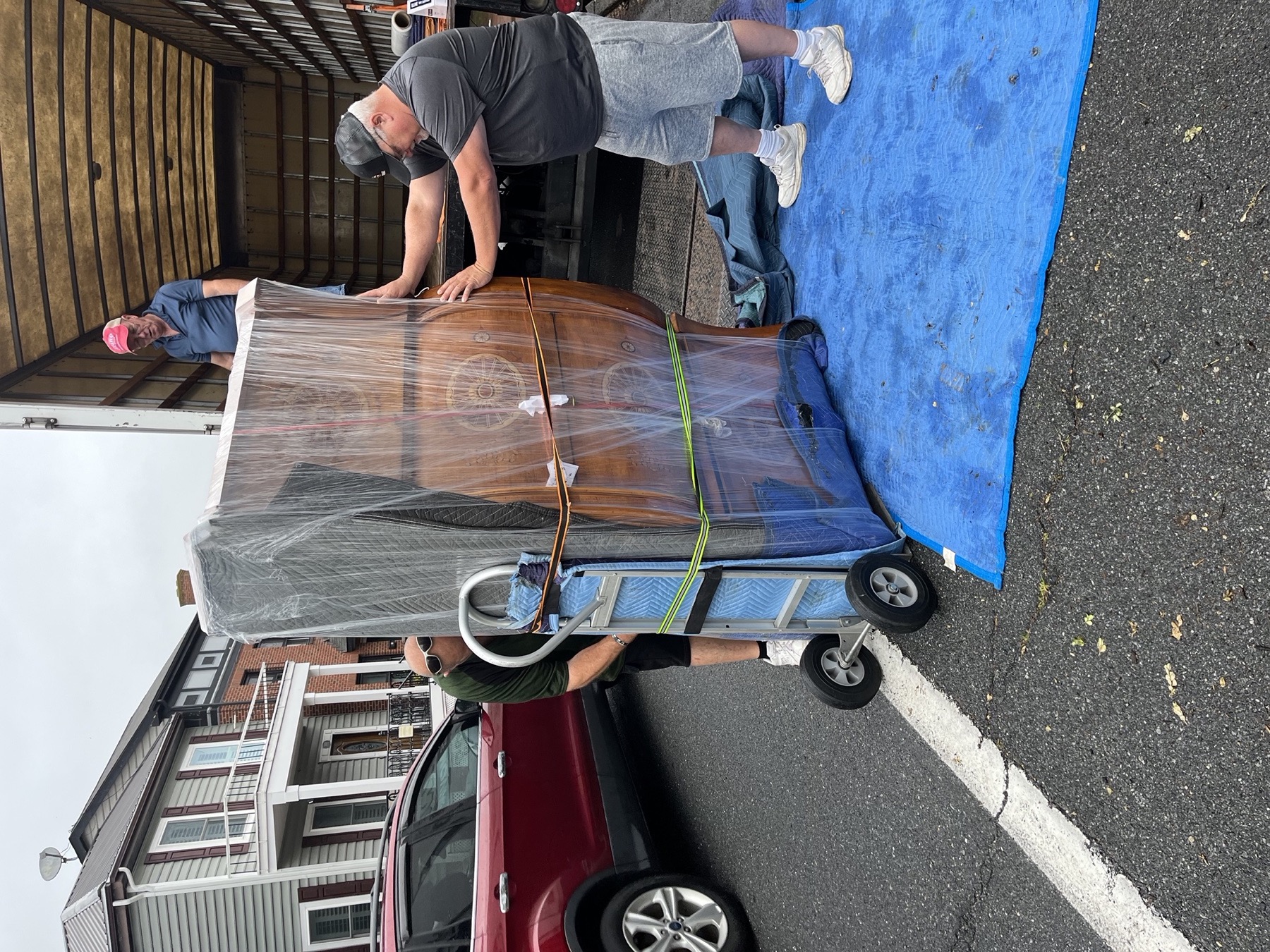
Moving day gets all the attention, but the sale is not finished when the truck leaves. Somewhere between that morning and the closing table, the house has to be brought to the condition the contract describes, the things that were supposed to stay have to actually be there, and a buyer is going to walk through with a checklist of their own. Sellers who treat this as an afterthought end up making a frantic trip back the night before settlement. It goes better as a short, planned job.
Short answer
After the movers leave, a seller needs to remove everything that was not included in the sale, bring the home to the contract's condition standard (usually broom-clean), keep utilities on through closing, gather keys, remotes, and manuals, and be ready for the buyer's final walkthrough. Build a day or two into the schedule for this instead of trying to do it the same evening as the move.
Read the contract before you read the checklist
The agreement of sale defines what "done" looks like. It lists what conveys with the house, which in a typical sale includes fixtures, built-in appliances, and anything the listing said was included, and it states the condition standard at settlement. Most contracts say broom-clean and free of debris and personal property. Some buyers negotiate for more. Some sellers agreed to leave the washer and dryer and then forgot.
Pull the contract up, or ask your agent for the inclusion and exclusion list, and go through the house with it in hand. Anything listed as included stays exactly where it was. Anything not listed goes. The gray area is what people leave "as a favor": half a can of paint, a broken grill, the shelving in the garage. Unless the buyer asked for it in writing, treat it as your property to remove.
The last load is a separate job
The moving crew loads what you are taking to the new house. What they do not load is everything else: the contents of the shed, the paint cans, the old patio set, the stuff in the attic nobody claimed. In most homes there is a real volume of it, and it surfaces after the truck is gone and the rooms are empty enough to see the corners.
Plan for that last load on its own. Sort it into donation, disposal, and hazardous items that need special handling, such as paint, chemicals, propane tanks, and old electronics. A junk removal and donation run scheduled for the day after the move handles the bulk of it in one pass. Trying to fit it into the moving truck at the end of a long day is how things get left behind.
Condition: what broom-clean actually means
Broom-clean is a low bar on paper. Floors swept or vacuumed, surfaces wiped, nothing left in the closets or cabinets, trash out. In practice, buyers doing a walkthrough notice the difference between a house that met the minimum and one that was left with care, and a clean house heads off the small disputes over credits that can delay a settlement. Pay attention to the places that look worst once furniture is gone: the floor under where the fridge was, the marks where pictures hung, the inside of the oven, the garage floor.
If you are already out of town, or the house is large, this is where property preparation help earns its keep. A crew can do the final clear-out and cleaning pass together so the home is ready for the walkthrough without a return trip.
Seller's handoff checklist
- Verify every included item is present and every excluded item is gone.
- Schedule a last-load removal for the day after the movers.
- Dispose of paint, chemicals, propane, and electronics through the proper channels, not the curb.
- Sweep, vacuum, and wipe every room, including closets, cabinets, and the garage.
- Leave utilities on through closing and transfer service effective that date.
- Gather all keys, garage remotes, mailbox keys, and alarm codes for the closing table.
- Leave appliance manuals, warranty paperwork, and paint colors in a kitchen drawer.
- Cancel or forward mail, and stop deliveries and lawn service as of closing.
- Take dated photos of every room after the final clean.
The walkthrough and the closing table
The buyer's final walkthrough usually happens within a day or two of settlement, sometimes the morning of. They are checking that the house is in the condition they agreed to, that included items are there, that agreed repairs were done, and that nothing broke since inspection. The photos you took after the final clean are your record if a question comes up later.
Bring every key and remote to closing, or leave them where your agent instructs. Garage door openers, the mailbox key, the shed padlock key, and any smart-lock codes all belong to the buyer as of settlement. A drawer of manuals and the leftover paint colors written on a card is a small courtesy that buyers remember.
For sellers who need the whole sequence handled, property preparation covers the clear-out, the cleaning pass, and the final condition check, and junk removal and donations takes care of the last load. If you are earlier in the process and the house has not listed yet, start with the guide to getting a house photo-ready, which is the same subtraction job at the front end of the sale.
FAQ
What condition does a house need to be in at closing?
Whatever the contract says, and in most Delaware sales that means broom-clean with all personal property removed unless something was specifically included. Broom-clean means swept and empty, not deep-cleaned, though many sellers go further to avoid a walkthrough dispute.
What if I cannot get everything out before closing?
Tell your agent immediately. Leaving items behind without agreement is a contract problem and can hold up settlement. A last-load haul or a short storage arrangement is far less painful than a delayed closing.
Should I leave the utilities on after I move out?
Yes, until the day of closing or whatever date your agent confirms. The buyer's final walkthrough needs lights, water, and heat or air to work, and an inspector cannot test what is turned off. Transfer or cancel service effective the closing date, not the move date.