
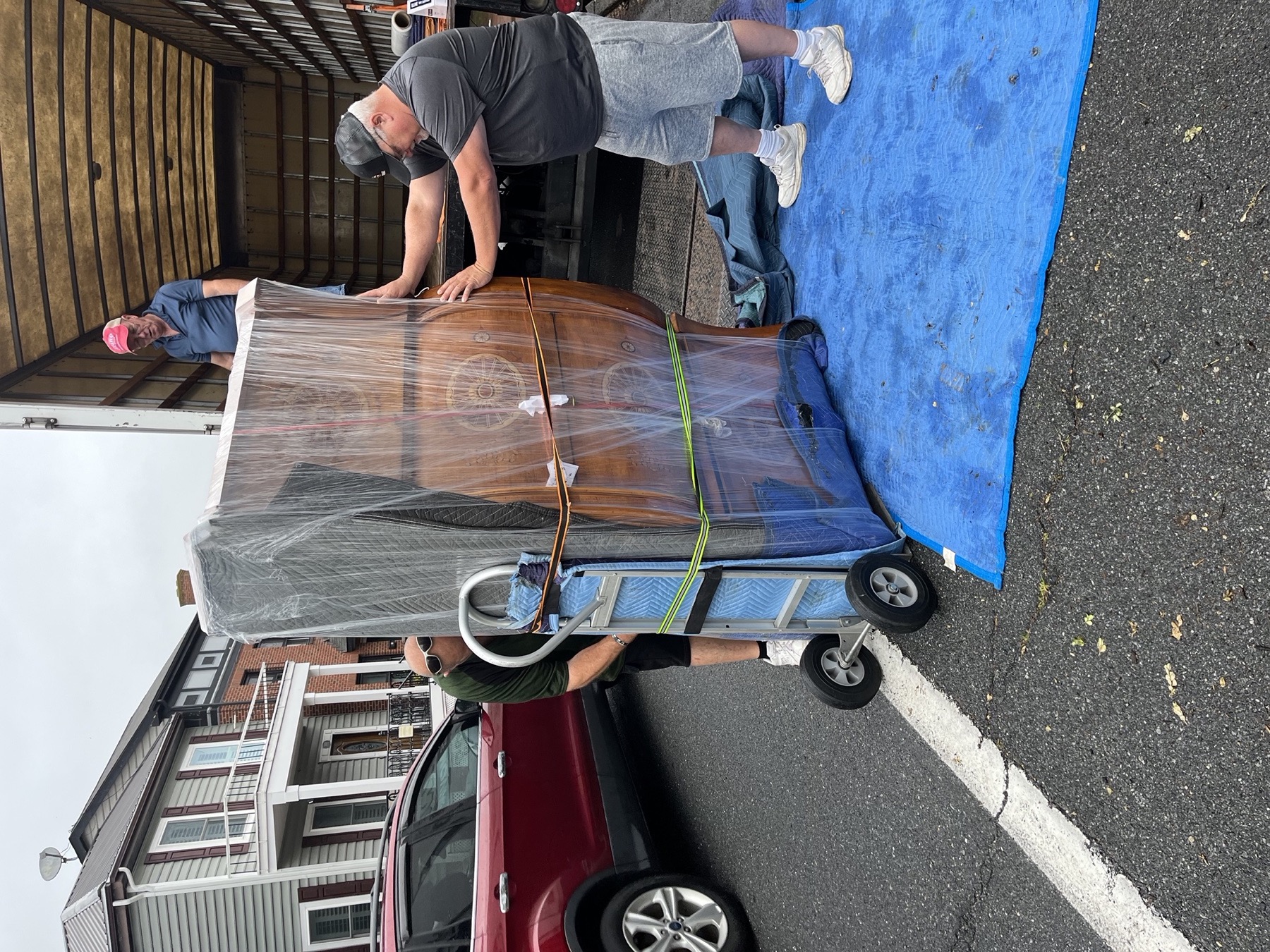
Every landlord knows the feeling of opening a unit the day after a lease ends. Sometimes it is broom-clean and the keys are on the counter. More often there is a couch nobody wanted, a closet of hangers and paint cans, and a fridge with opinions. Between that moment and the next signed lease, every day is carrying cost. The turnover is a race, and the clean-out is usually the leg that decides it.
Short answer
Treat a rental turnover as one job with three stages: the tenant's move-out, the clean-out of whatever remains, and the show-ready prep. Schedule all three before the lease ends, document left-behind property before touching it, and separate donation items from disposal so the unit empties in a single pass.
For tenants: leave nothing to interpret
The departing tenant controls how the turnover starts. A complete move-out means the unit holds nothing but what came with it. That includes the spots renters forget: the crawl space or attic hatch, the shed, the space above kitchen cabinets, the back of the outdoor closet, and anything left on a balcony or patio.
Walk the unit with your lease's move-out terms in hand, photograph every empty room, and return all keys, fobs, and openers. If large furniture will not fit in your own move, arrange removal before the last day rather than leaving it behind. Left-behind items are the most common turnover dispute, and they are entirely avoidable.
For landlords: document before you dispose
When a tenant does leave property behind, the wrong response is a same-day trip to the dumpster. Delaware's landlord-tenant code sets out how a landlord must handle a former tenant's belongings, including notice before disposal. The details are worth confirming against the current code or with your attorney, because a rushed clean-out can turn into a claim.
The safe pattern is simple. Photograph the unit as found, room by room, before anything moves. Note anything of obvious value. Follow the notice requirements, and only then schedule removal. The clean-out itself is fast once the paperwork is right; it is the skipped paperwork that gets expensive.
Sort donation from disposal, and the job shrinks
A left-behind household is rarely all trash. Sound furniture, working appliances, dishes, and unopened goods can go to donation instead of a landfill, which lightens the disposal load and does some good on the way out. Roger That routes usable items to donation partners and hauls the rest, so a mixed unit still empties in one scheduled visit rather than two.
Items in poor condition, stained mattresses, broken furniture, and general debris go straight to disposal. Trying to donate them wastes a trip. The sorting takes minutes per room when the two destinations are decided up front.
Show-ready is a specific finish line
An empty unit is not automatically a rentable one. Show-ready means a prospective tenant can walk in tomorrow: floors clear and cleaned, surfaces wiped, closets and cabinets empty, bulbs working, odors gone, and nails or anchors pulled and patched where the lease requires it. Photos for the listing should be possible the same day.
Sequence matters here. Clean-out first, then repairs and paint, then final clean, then photos. Crews that arrive to paint around a room of abandoned furniture bill the delay to the owner. When Roger That handles a turnover, the clean-out and the property preparation are scheduled as consecutive steps so contractors inherit an empty unit.
Turnover checklist
- Move-out date, key return, and walkthrough scheduled before lease end.
- Tenant checks attic, shed, balcony, and storage areas.
- Unit photographed as found before anything is removed.
- Left-behind property handled per Delaware landlord-tenant rules.
- Donation items separated from disposal items.
- Clean-out completed in one scheduled visit.
- Repairs, paint, and final clean sequenced after the clean-out.
- Listing photos taken once the unit is show-ready.
One call instead of four
A turnover often needs a hauler, a donation run, a cleaner's empty room, and a deadline, and coordinating those separately is its own part-time job. Roger That combines junk removal and donation routing with property preparation for landlords, property managers, and owners across central and southern Delaware. Realtors managing listings with the same problem can start at realtor and property support.
FAQ
What can a landlord do with furniture a tenant leaves behind?
Do not haul it to the curb the day the lease ends. Delaware's landlord-tenant rules address how left-behind property must be handled, so document what was left with photos, follow the notice requirements, and confirm your obligations before disposal. Once the property is cleared for removal, a clean-out crew can empty the unit in one visit.
What does show-ready mean for a rental unit?
Empty of the previous tenant's belongings, cleaned, smelling neutral, with working lights and clear floors, so the unit photographs well and a prospective tenant can walk every room. Repairs and painting come after the clean-out, not around it.
Can Roger That handle a full rental turnover clean-out?
Yes. Roger That can remove left-behind furniture and debris, route usable items to donation, haul the rest, and handle property preparation so the unit is ready to photograph and show.