
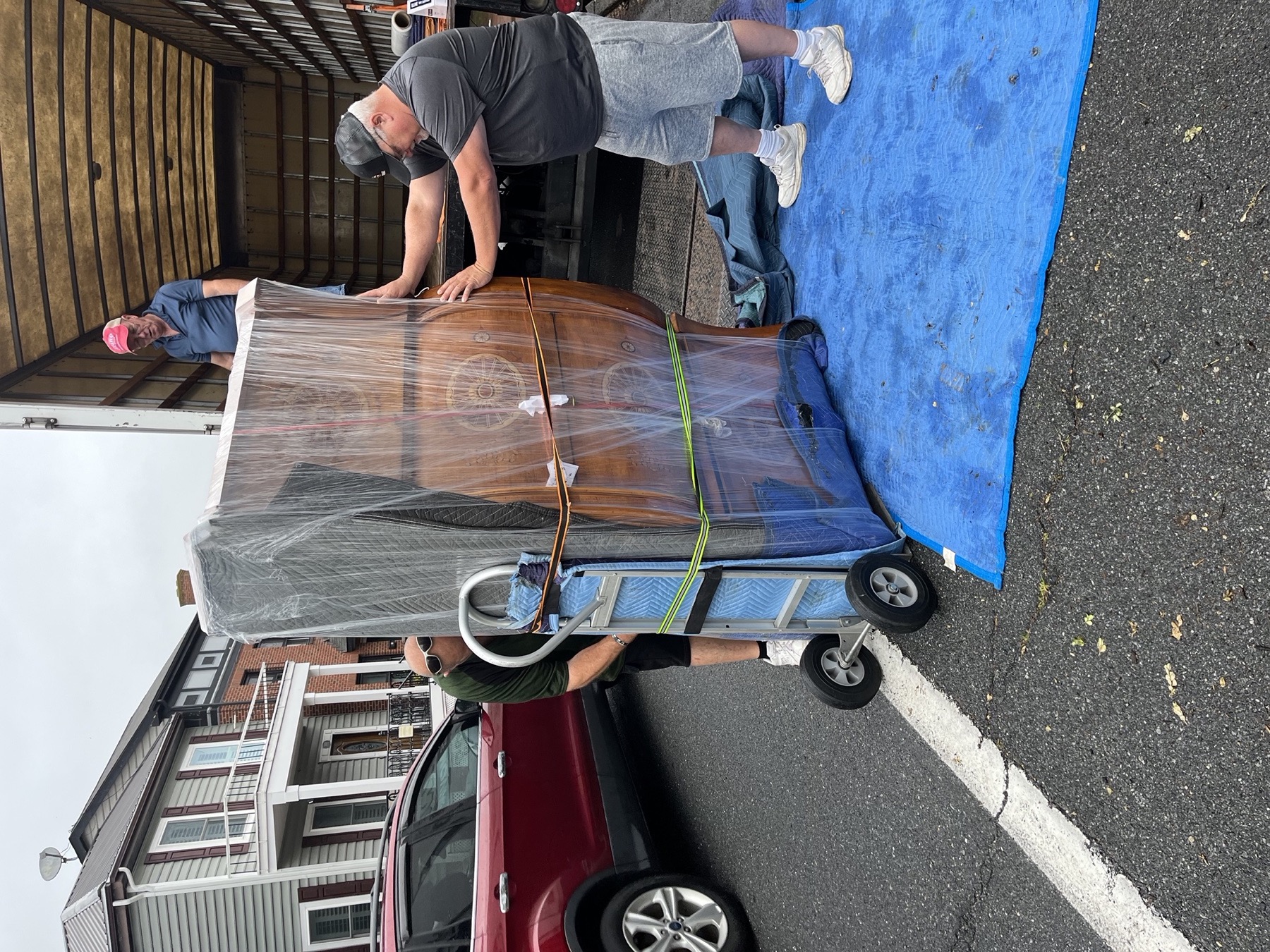
Georgetown sits in the middle of Sussex County, and a lot of the county's business runs through it. The courthouse is here, along with the offices that handle deeds, probate, and settlements. That gives the town a working-day rhythm that the beach towns do not have, and it means a surprising number of moves in and around Georgetown are tied to a date on a legal calendar. If you are moving here, or clearing a property here, the plan usually starts with that date.
Short answer
Georgetown moves are rarely complicated by traffic or parking, but they are often tied to a settlement, probate, or court date that cannot move. Plan backward from the deadline, sort out access for older in-town homes or long rural driveways, and set up utilities with the town or the county depending on the address.
The county seat sets the deadlines
Because so much of the county's property paperwork happens in Georgetown, a move here frequently has a hard end date. A buyer takes possession at settlement. An estate has a date by which a home must be cleared or listed. A landlord needs a unit turned by a lease date. None of these are negotiable in the way a family's preferred weekend is, so the move schedule works from the deadline backward: last day for the truck, then packing days before that, then the sort and donation run before that.
If you are an executor or an attorney's office coordinating from a distance, this is also the town where a local crew that can walk the property, send photos, and work from a written scope saves you trips. Roger That does a good deal of this work for estate attorneys and executors, and Georgetown is often where the paperwork and the property meet.
In town: The Circle and the older streets
The historic center of Georgetown is laid out around The Circle, with the courthouse facing it and older homes on the streets that radiate out. These houses are the ones that need a careful look before move day. Stairs are narrow and often turn, doorways can be tight, and street parking near the center is limited on weekdays when the courthouse and offices are busy. A weekday move here should avoid the morning rush of people arriving for court and county business.
Every other year in November, the town holds Return Day two days after the election, and The Circle and the surrounding streets fill up for the parade and the crowd. If your move lands on that Thursday, plan around it or pick another day.
Outside town: driveways, ground, and outbuildings
Drive ten minutes in any direction from The Circle and you are in farm country. Rural moves are easy in one sense, since there are no parking rules and nobody cares where the truck sits. They are harder in others. Long gravel or dirt driveways can be soft after rain, and a loaded truck does not like soft ground. Some driveways have no place to turn a truck around. Low-hanging wires and tree limbs on farm lanes can stop a tall truck short of the house.
Then there is the volume. Rural properties have barns, sheds, pole buildings, and garages, and those spaces tend to hold decades of tools, equipment, and things somebody meant to deal with. When you request an estimate, describe the outbuildings honestly. What is in them often decides whether the job is a moving job or a moving job plus a clean-out.
Georgetown move checklist
- Write down the fixed date (settlement, court, lease) and build the schedule backward from it.
- For in-town homes, measure stair turns and doorways and note where a truck can legally stop.
- For rural addresses, check driveway surface, turnaround space, and overhead clearance.
- Walk every outbuilding and decide what moves, what donates, and what goes.
- Confirm whether water and sewer are through the town or a private well and septic.
- Set up electric and, if applicable, propane delivery before the first cold night.
- File the change of address and update the county for any property tax mail.
Utilities and the first month
Addresses inside the town limits typically have town water and sewer. Outside the limits, you are likely on a well and septic system, and it is worth asking the seller when the septic was last inspected or pumped. Electric service varies by address in this part of the county, so ask the seller which utility bills the house. Many rural homes heat with propane or oil, and a delivery needs to be arranged before the weather turns. Route 113 through town carries the through traffic and gets slow at the school and commute hours, which matters more for daily life than for the move itself.
The Georgetown service page covers how Roger That schedules around court and settlement dates. If the property you are dealing with is an estate or a long-held family home, the estate clean-out service can be combined with the move so one crew handles the sort, the donations, and the truck. Send the address, the deadline, and a description of any outbuildings through the free estimate form and the plan can be built from there.
FAQ
What makes a Georgetown move different from a beach-town move?
Access is usually easier because there is no summer parking season, but rural addresses bring their own issues: long gravel driveways, soft ground after rain, low wires, and outbuildings full of things that have to go somewhere. In town, older homes near The Circle have tight stairs and limited curb space.
Why do so many Georgetown moves have fixed deadlines?
Georgetown is where Sussex County's courthouse and many settlement offices are located, so moves here are often tied to a closing, a probate step, or a court date. Those dates do not move, so the moving plan has to be built backward from them.
Does Roger That handle rural properties around Georgetown?
Yes. Farm and rural properties in central Sussex are a regular part of the work. The estimate needs to include driveway access, whether the truck can turn around, and what is in the barn, shed, or garage, since those spaces often hold more than the house.