
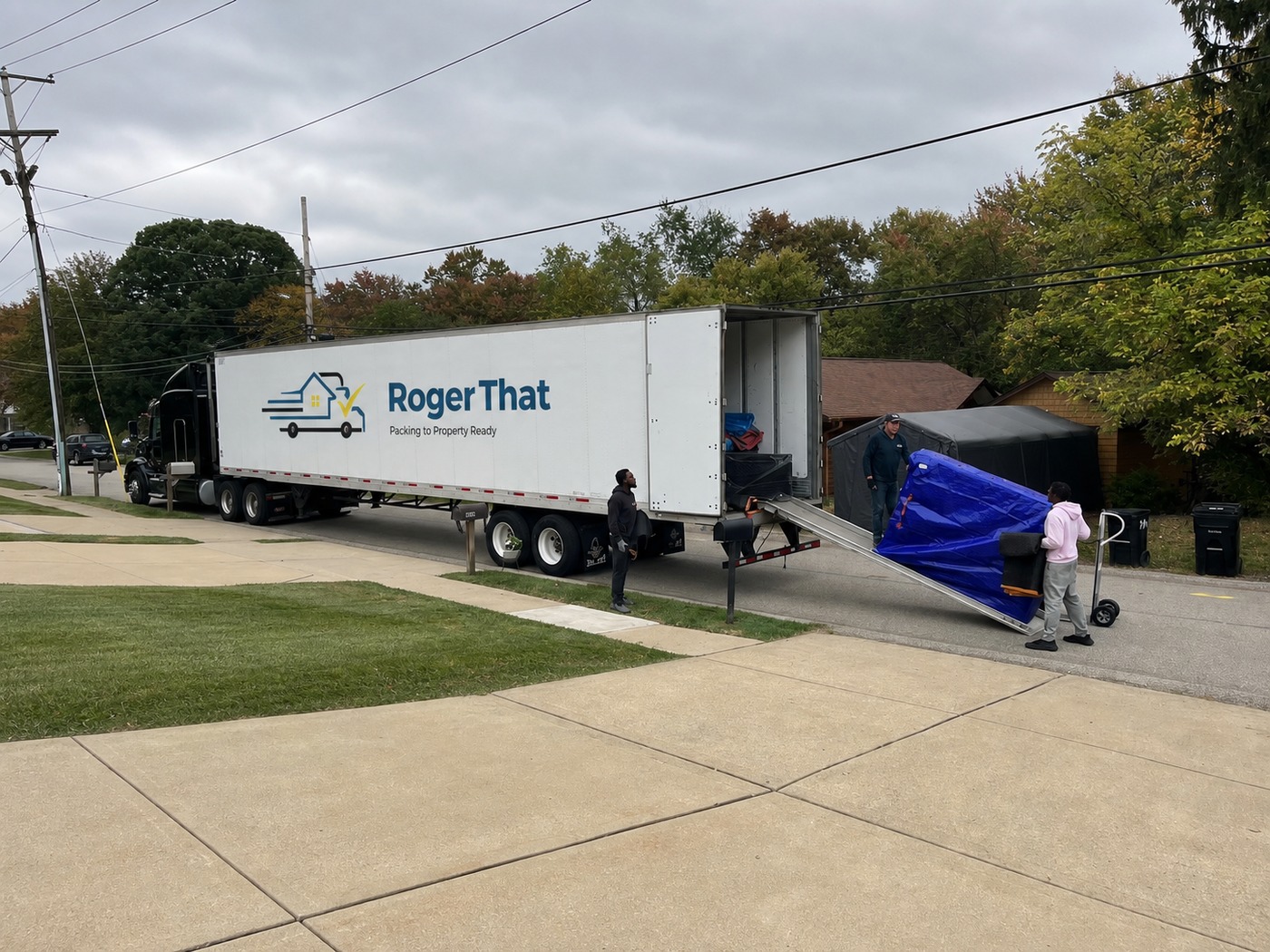
The parent lived in Milford or Lewes or Seaford. The children live in Pennsylvania, Virginia, and North Carolina. That is the shape of a great many Delaware estates, and it means the person responsible for clearing the house is usually doing it from several hours away with a job and a family of their own. Flying or driving in every weekend is not realistic. The good news is that most of a clean-out does not require you to be standing in the house. It requires a plan, a local crew, and a way to make decisions without being there.
Short answer
An out-of-state executor can run a Delaware estate clean-out with one well-used trip for the documents-and-valuables sweep and scope walkthrough, followed by a written scope, a fixed decision cadence by phone or video, photo documentation of every load, and a local crew that handles sorting, donations, removal, and the final condition. The trip you cannot skip is the first one.
Use the first trip for what only you can do
There are two things a remote crew should not do for you: the sweep for documents, cash, jewelry, and personal papers, and the decision about what the finished house should look like. Both belong to the first trip. Go through the desk, the nightstands, the closet shelves, the coat pockets, the freezer, the books. Take the papers and the valuables with you or put them in the attorney's hands. Then walk the house with whoever will be doing the work and settle the scope room by room.
Use the same trip to change the locks if other people have keys, to confirm the utilities will stay on for the crew, and to take a photo or short video of every room and every outbuilding in the state you found them. Those images are your baseline. Everything that happens after can be compared against them.
Write the scope down before you leave
A remote clean-out runs on a document. It names which rooms are being cleared, which items are off-limits, what happens to each category (family, donate, sell, dispose), who has authority to answer questions, and what the final condition is: broom-clean, ready for listing photos, or simply empty ahead of a contractor. If any relatives want a review window, it sets the dates.
Get it in writing and share it with the attorney, the crew, and the family. When a question comes up three weeks later about whether the dining set was supposed to go to a cousin, the scope answers it, and nobody has to rely on memory of a conversation in a driveway.
Set a decision cadence and stick to it
The most common way a remote clean-out stalls is that the crew hits a judgment call, the executor is in a meeting, and the job waits. Fix this ahead of time. Agree on a daily check-in, a short call or a batch of photos at a set hour, and a backup decision-maker who can answer if you cannot. Group the questions so you are handling ten at once rather than being interrupted ten times.
Photos do most of the work. A picture of a box of unmarked china, a closet of coats, or a garage shelf lets you say "keep the blue set, donate the rest" in thirty seconds. Video walkthroughs at the end of each phase show you the progress without a drive.
Family items, donations, and the paper trail
Items claimed by relatives get boxed and labeled by name during the sort and staged in one room. From there they are shipped, picked up, or held. Set a claim deadline so shipping logistics do not hold up the rest of the house. Usable items nobody claims go to donation, and in Delaware that can mean God's Way Thrift Stores or another local charity. Ask the crew to photograph each donation load and email you the receipts. The estate needs them, and so does your own record of where things went.
Keep a dated log: what left the house, in what category, on what day, with photos. Executors answer to the court and to their relatives, and a clean record turns most disputes into a quick email.
Remote executor checklist
- Confirm your authority with the estate attorney before scheduling any removal.
- On the first trip: sweep for documents and valuables, change the locks, photograph every room.
- Write the scope: rooms, exclusions, categories, decision-maker, final condition, review dates.
- Set a daily check-in time and name a backup who can answer questions.
- Give relatives a claim deadline and a way to see photos of rooms.
- Ask for photos and receipts for every donation and disposal load.
- Keep utilities on through the final walkthrough and ask the attorney about vacant-home insurance.
- Get a final video walkthrough before the crew leaves, and before you release the keys to a realtor.
The final condition without the final trip
When the crew finishes, ask for a slow video walkthrough of every room, closet, cabinet, and outbuilding, and compare it with the baseline photos from your first visit. If the scope called for broom-clean or photo-ready, check the corners and the floors in the video the way you would in person. Anything missed can be handled before the crew leaves rather than on a return visit.
Roger That does this work for executors and estate attorneys regularly, including the photo and receipt documentation that remote coordination depends on. The estate clean-out service covers the sort and the removal, and donation coordination is built into the same job. If you are still at the authority-and-sweep stage, the executor's guide to clearing a Delaware home walks through that sequence in more depth.
FAQ
Do I have to be in Delaware for the estate clean-out?
Not for most of it. One trip is usually needed for the sensitive-items sweep and to set the scope in person. After that, sorting, donation runs, removal, and the final condition check can be handled through photos, video calls, and a written plan with a local crew.
How are family items shipped to relatives out of state?
They are boxed and labeled by recipient during the sort, then either shipped through a carrier, picked up by the relative, or held for a later trip. Set a deadline for claims so the shipping decisions do not hold up the rest of the clean-out.
How do I get donation receipts if I am not there?
Ask the crew to photograph donation loads and collect receipts from the charity, then send them to you by email. Usable items can be routed to God's Way Thrift Stores or another Delaware charity, and the estate keeps the receipt for its records.