
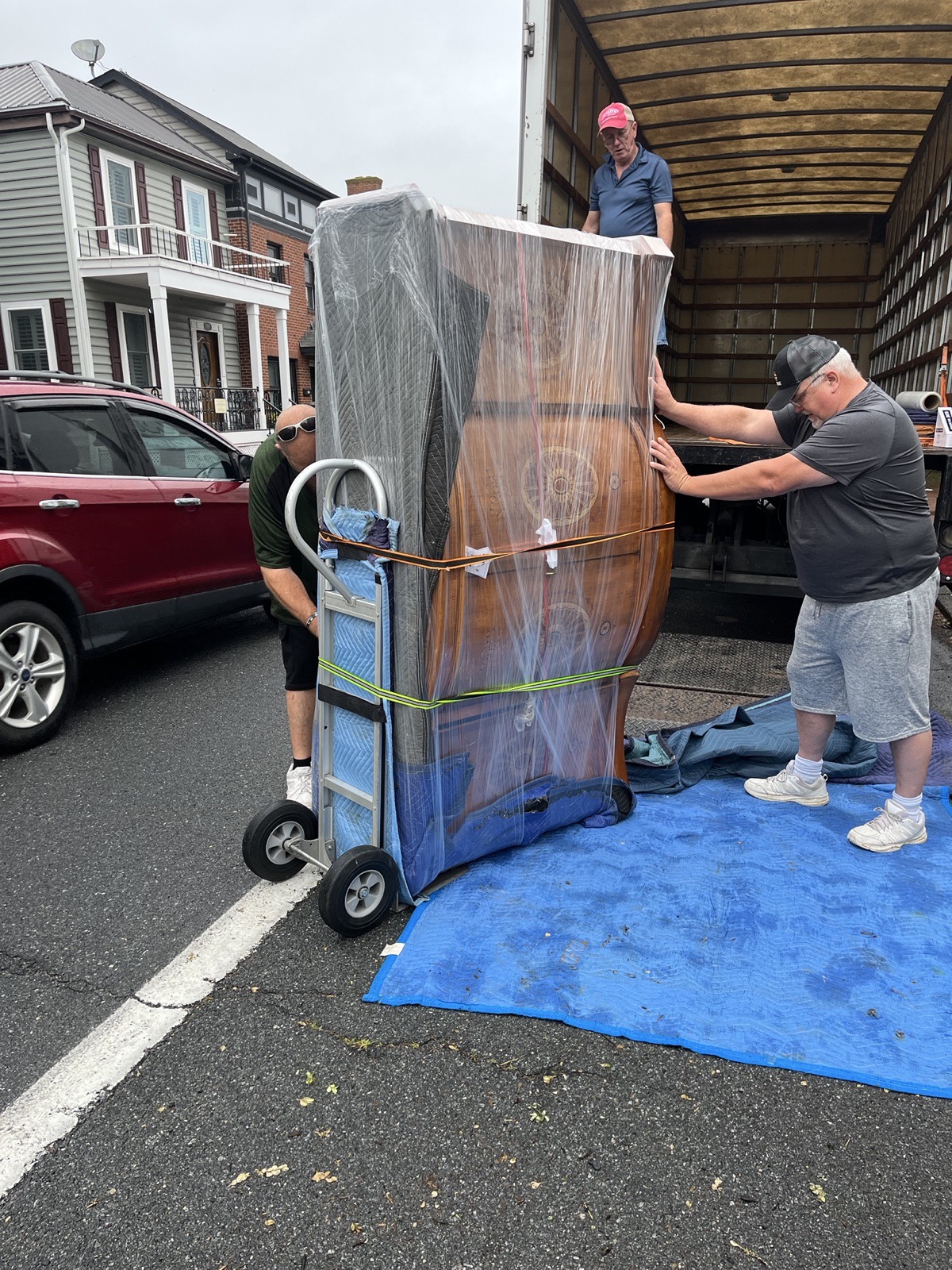
A dining table is replaceable. The dining table where three generations ate Thanksgiving is not, even though it is physically the same object as the one in the listing photos. Packing heirlooms is a different job from packing a house, because the standard for these items is not "arrived intact." It is "arrived intact, and nobody spent the drive worrying."
Short answer
Photograph every heirloom before it is wrapped. Sort them into two groups: small irreplaceable items that ride with the family, and larger pieces that go on the truck with proper packing. Then walk the crew through the truck group before loading, so the people carrying a piece know what they are carrying.
Photograph first, before anything is wrapped
Before a single sheet of paper goes around a single teacup, photograph everything. Shoot each piece from a few angles in good light, and get close-ups of any existing chips, cracks, or repairs. The photos document condition before transport, which matters if there is ever an insurance conversation. They also do quieter work. A photo of the clock on the mantel where it sat for forty years preserves something the clock alone cannot, and in estate situations those photos let far-away relatives see items and weigh in without shipping anything anywhere.
While photographing, write down what each piece is and whose it was. The person who knows that the quilt was made by a great-grandmother is not always the person unpacking it on the other end.
Decide what rides with you
Some things should never be on a moving truck, and it has nothing to do with trusting the crew. Jewelry, letters, original photographs, medals, small paintings, a parent's watch: these are small enough to travel in the family car and painful enough to lose that they should. Pack them in one clearly marked container, keep it with a specific person, and tell the crew it exists so nobody loads it by mistake. Everything larger goes on the truck, and the goal for that group is packing worthy of the item.
Packing the common heirloom categories
Each category has its own failure mode, and each has a known fix.
- China and glassware: wrap each piece individually in packing paper, stand plates vertically on their edges like records instead of stacking them flat, and use double-walled boxes with crushed paper on the bottom, between layers, and on top.
- Quilts and textiles: clean and fully dry before packing, then pack in breathable containers rather than sealed plastic, which can trap moisture. Acid-free tissue between folds protects older fabric.
- Framed photos and artwork: cardboard corner protectors, paper over the glass, packed vertically in picture boxes, never laid flat under other boxes.
- Clocks: a mantel or grandfather clock needs its pendulum and weights removed and packed separately before the case moves. If nobody in the family knows how, a clock shop can do the removal, and the case then travels padded and upright.
Tell the crew, early and specifically
A moving crew treats everything with care, but they cannot read sentiment through cardboard. The single most useful thing a family can do is a five-minute walkthrough before loading: this hutch is the one that matters most, this box is the china, this wrapped rectangle is a hundred-year-old mirror. Crews plan the load around that information, placing named pieces where nothing shifts against them. Saying "be careful, that one is special" as a box disappears up the ramp is too late to change how the truck gets built.
The same walkthrough matters more in estate situations, where the crew may be working alongside family members sorting a lifetime of belongings. Flagging the handful of pieces with real weight, sentimental or monetary, keeps them out of the donation pile and out of harm's way while the rest of the house moves around them.
Heirloom packing checklist
- Photograph every piece, including close-ups of existing damage.
- Write down what each item is and whose it was.
- Separate the ride-along group: jewelry, letters, photos, small valuables.
- Assign the ride-along container to one specific person.
- Plates on edge, double-walled boxes, cushioning on all six sides.
- Textiles clean, dry, and packed breathable.
- Artwork vertical with corner protection.
- Clock pendulums and weights removed before the case moves.
- Walk the crew through the priority pieces before loading starts.
When to hand this job to someone else
Some families want to wrap the china themselves, and that is a fine instinct. Others are packing a parent's house on a deadline and need help. Roger That's packing service covers fragile-only packing for exactly this situation, and during estate clean-outs the sorting of sentimental items from the rest is treated as its own step, not an afterthought. Executors managing a property from a distance can start with estate attorney and executor support.
FAQ
Should heirlooms go on the moving truck or in the car?
Small irreplaceable items such as jewelry, letters, photo originals, and medals should ride with the family. Larger heirloom furniture and china travel on the truck, packed and padded properly, with the crew told which pieces they are.
How should heirloom china be packed?
Wrap each piece individually, stand plates on their edges rather than stacking them flat, use a double-walled box with cushioning on all six sides, and mark the box fragile with a this-side-up arrow.
Why photograph heirlooms before a move?
Photos document condition before transport, help with any insurance conversation, and capture the story of a piece. Photographing an heirloom in its original home also preserves how it looked there.